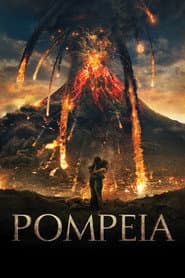
Pompeia
Alguns dias antes da lendária erupção do monte Vesúvio, o escravo Milo está preso dentro de um navio, em direção à Nápoles. Ele vai fazer de tudo para escapar e salvar a mulher que ama, além de ajudar o seu melhor amigo, um gladiador que está em dificuldades no interior do Coliseu.
Where to watch
Sponsored links — Filtro may earn a commission. This does not influence the scores.
Filtro Digital’s editorial reading + community reactions — not a claim that the work objectively is “woke”.
Frequently asked questions
Is "Pompeia" appropriate for children?
Filtro Digital's Content Advisory for "Pompeia" is "Mild" (13/100), measuring sex, violence, language, and drug use. One example of the evidence behind this reading: the editorial analysis has not yet recorded a specific citation for this axis. See the full per-axis breakdown below to decide if it fits your family.
See the per-axis breakdownDoes "Pompeia" have woke/ideological content?
In Filtro Digital's editorial reading, "Pompeia" has ideological presence rated "Moderate". This is opinion backed by evidence, not a verdict: one cited example is the editorial analysis has not yet recorded a specific citation for this axis. The overall FiltroScore (cleanliness + value + audience rating) is 67/100. See every axis and its evidence in the breakdown below.
See the per-axis breakdownScores reflect community and AI analysis as opinion with evidence — not a factual verdict.
- AI reference — unverifiedGladiators engage in lethal combat within the arena, slashing and stabbing each other with swords and spears, showing multiple on-screen deaths with visible blood spray and bodies, notably during the battle where Milo and Atticus must fight off Roman soldiers while chained to a central pillar.
- AI reference — unverifiedA obra apresenta uma dramatização dos eventos históricos da erupção do monte Vesúvio em 79 d.C., comprimindo a linha do tempo da destruição da cidade e associando-a a combates de gladiadores fictícios na arena de Pompeia.
- AI reference — unverifiedA obra retrata o protagonista sendo repetidamente chamado de 'o Celta', fazendo referência direta à sua origem étnica e ao massacre de seu povo pelos romanos, servindo como elemento de contextualização de sua condição de gladiador escravizado.
Ideological reading (editorial opinion)
This is Filtro Digital’s editorial reading + community reactions — not a claim that the work objectively is X% woke.
- Anti-Family0.0AI Analysis · Model: IA
What does each axis mean?
Portraying the natural family or parenthood as oppressive or obsolete.
- Faith Subversion0.0AI Analysis · Model: IA
Your review
Rate only what you actually noticed — leave the rest at zero.
Attach a link or quote to back up your rating — especially for high severity.