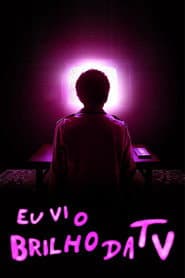
Eu Vi o Brilho da TV
O adolescente Owen, que está vivendo a sua vida normalmente, tentando sobreviver nos subúrbios quando um colega apresenta a ele um misterioso e intrigante programa de TV noturno sobrenatural. Os dois adolescente, vidrados nesse programa, começam a se distanciar e distorcer a realidade.
Where to watch
Sponsored links — Filtro may earn a commission. This does not influence the scores.
Filtro Digital’s editorial reading + community reactions — not a claim that the work objectively is “woke”.
Frequently asked questions
Is "Eu Vi o Brilho da TV" appropriate for children?
Filtro Digital's Content Advisory for "Eu Vi o Brilho da TV" is "Mild" (15/100), measuring sex, violence, language, and drug use. One example of the evidence behind this reading: the editorial analysis has not yet recorded a specific citation for this axis. See the full per-axis breakdown below to decide if it fits your family.
See the per-axis breakdownDoes "Eu Vi o Brilho da TV" have woke/ideological content?
In Filtro Digital's editorial reading, "Eu Vi o Brilho da TV" has ideological presence rated "Heavy". This is opinion backed by evidence, not a verdict: one cited example is the editorial analysis has not yet recorded a specific citation for this axis. The overall FiltroScore (cleanliness + value + audience rating) is 50/100. See every axis and its evidence in the breakdown below.
See the per-axis breakdownScores reflect community and AI analysis as opinion with evidence — not a factual verdict.
- AI reference — unverifiedOwen's home life is depicted as deeply stifling and emotionally hollow, characterized by a silent, unsupportive father who ignores his interests and enforces a rigid suburban normalcy.
- AI reference — unverifiedA obra retrata, próximo ao seu desfecho, uma cena de automutilação na qual ocorre a abertura do peito do protagonista, revelando o brilho de estática de televisão em seu interior de maneira surrealista e com pouca representação de sangue ou tecidos corporais.
- AI reference — unverifiedMaddy explains to Owen that they are actually the characters Isabel and Tara from The Pink Opaque, framing Owen's suburban life as a dysphoric illusion and urging him to accept his true identity.
Ideological reading (editorial opinion)
This is Filtro Digital’s editorial reading + community reactions — not a claim that the work objectively is X% woke.
- Anti-Family4.0AI Analysis · Model: Gemini (IA)
What does each axis mean?
Portraying the natural family or parenthood as oppressive or obsolete.
View evidence (1)
Scores reflect community and AI analysis as opinion with evidence — not a factual verdict.
- AI reference — unverified
Your review
Rate only what you actually noticed — leave the rest at zero.
Attach a link or quote to back up your rating — especially for high severity.